
Building Full Scale Co From the Ground Up
Starting, building, and operating a company for more than a decade takes far more than a good idea. It requires vision, risk, problem-solving, investment, leadership, and the ability to adapt as an industry changes around you.
As legal cannabis began taking shape in Colorado, my partners and I recognized a major opportunity. An entirely new industry was being created, but most companies lacked the creative direction, packaging knowledge, production infrastructure, and operational systems needed to compete at a professional level.
We built Full Scale to fill that gap.
What began as a creative agency grew into a nationally recognized, vertically integrated branding, packaging, printing, and manufacturing company. We became a trusted partner to some of the largest and most recognizable brands in the cannabis industry, helping them develop identities, launch products, solve packaging challenges, and create systems capable of supporting real growth.
More Than a Design Agency
Full Scale was never intended to be a company that simply created logos or made packaging look better. The goal was to connect every stage of building a brand under one roof.
A client could come to us with little more than an idea and leave with a complete, production-ready brand. That could include naming, identity development, brand strategy, packaging architecture, compliant label systems, technical dielines, retail displays, apparel, sales materials, websites, trade-show experiences, influencer kits, and a full packaging lineup ready for manufacturing.
Behind the creative work, we handled material selection, child-resistant requirements, compliance, prepress, proofing, color management, production scheduling, vendor communication, quality control, freight, and final delivery.
The work did not end when a design was approved. We stayed involved until the finished product was manufactured, assembled, and ready to reach the shelf.
Building the Infrastructure
To support that vision, we continued investing in equipment, people, departments, and production capabilities.
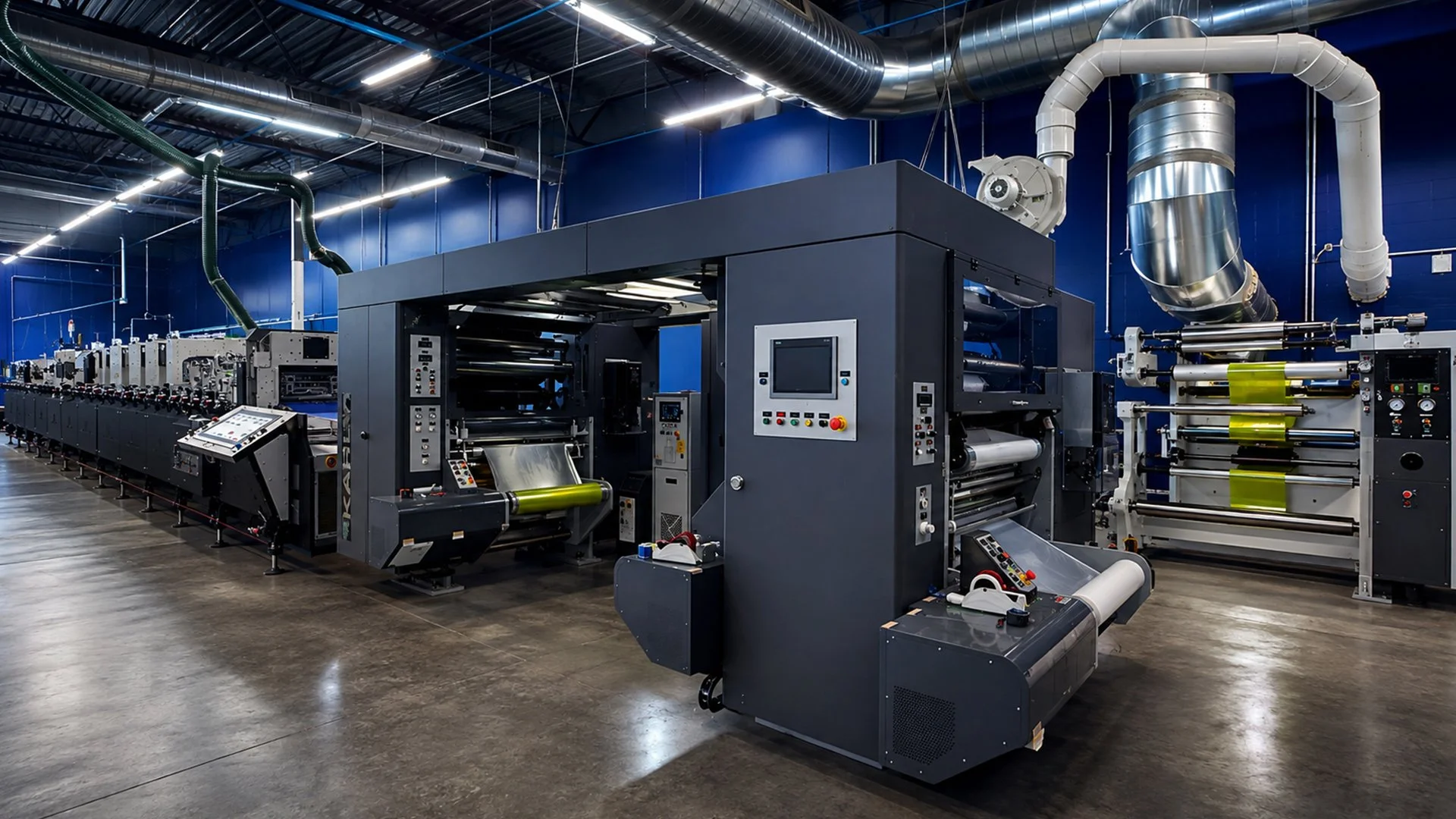
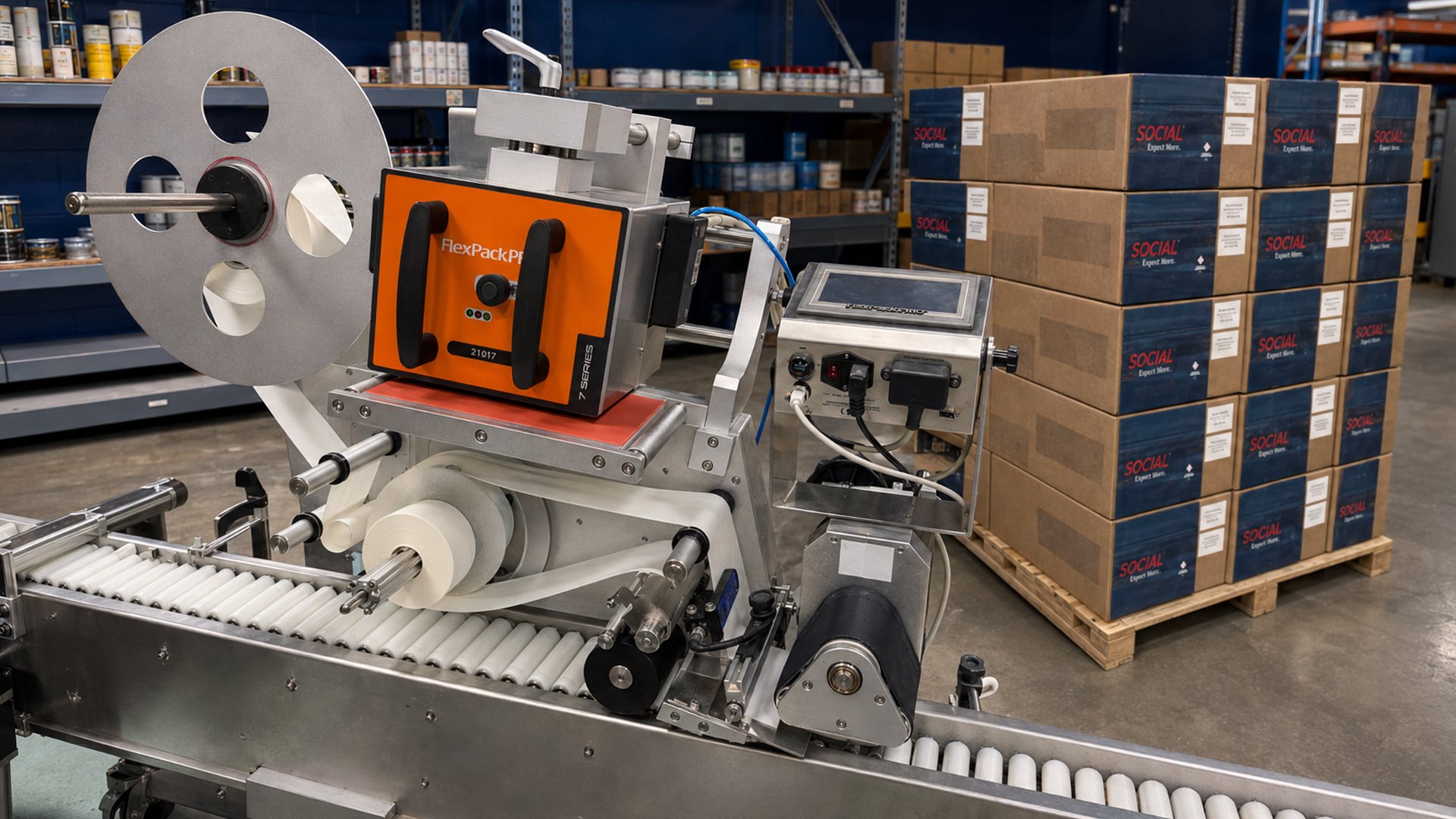
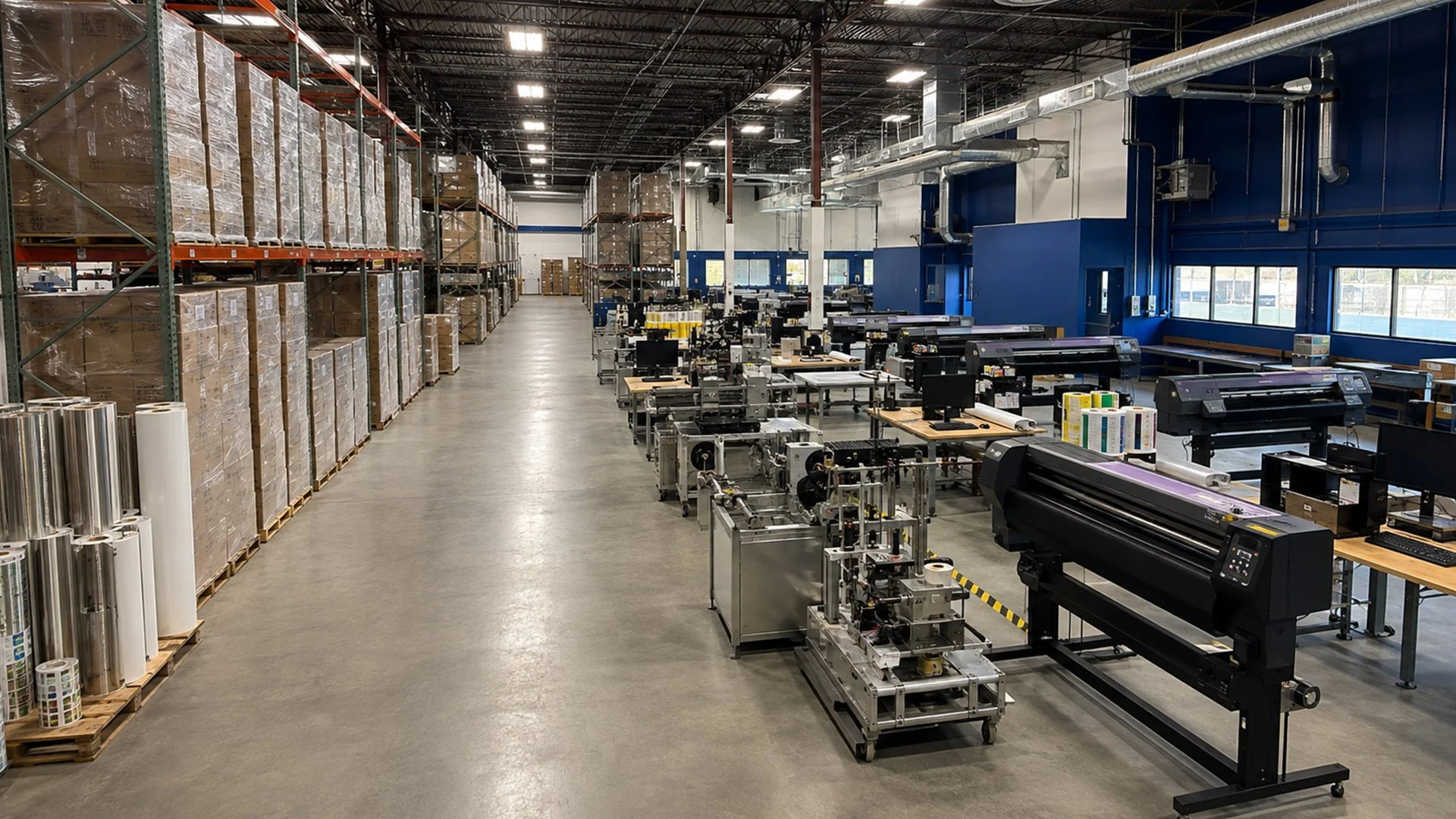
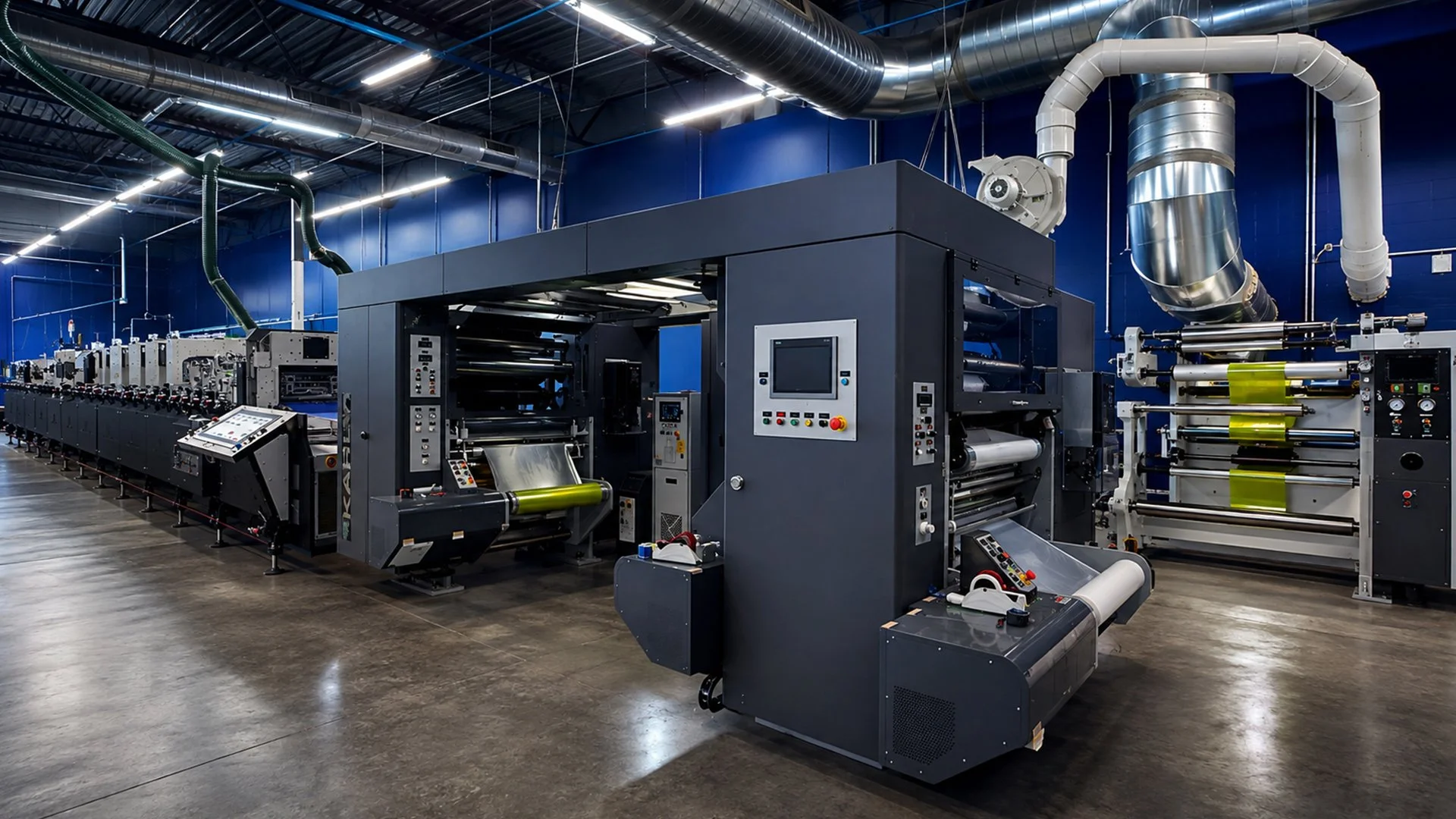
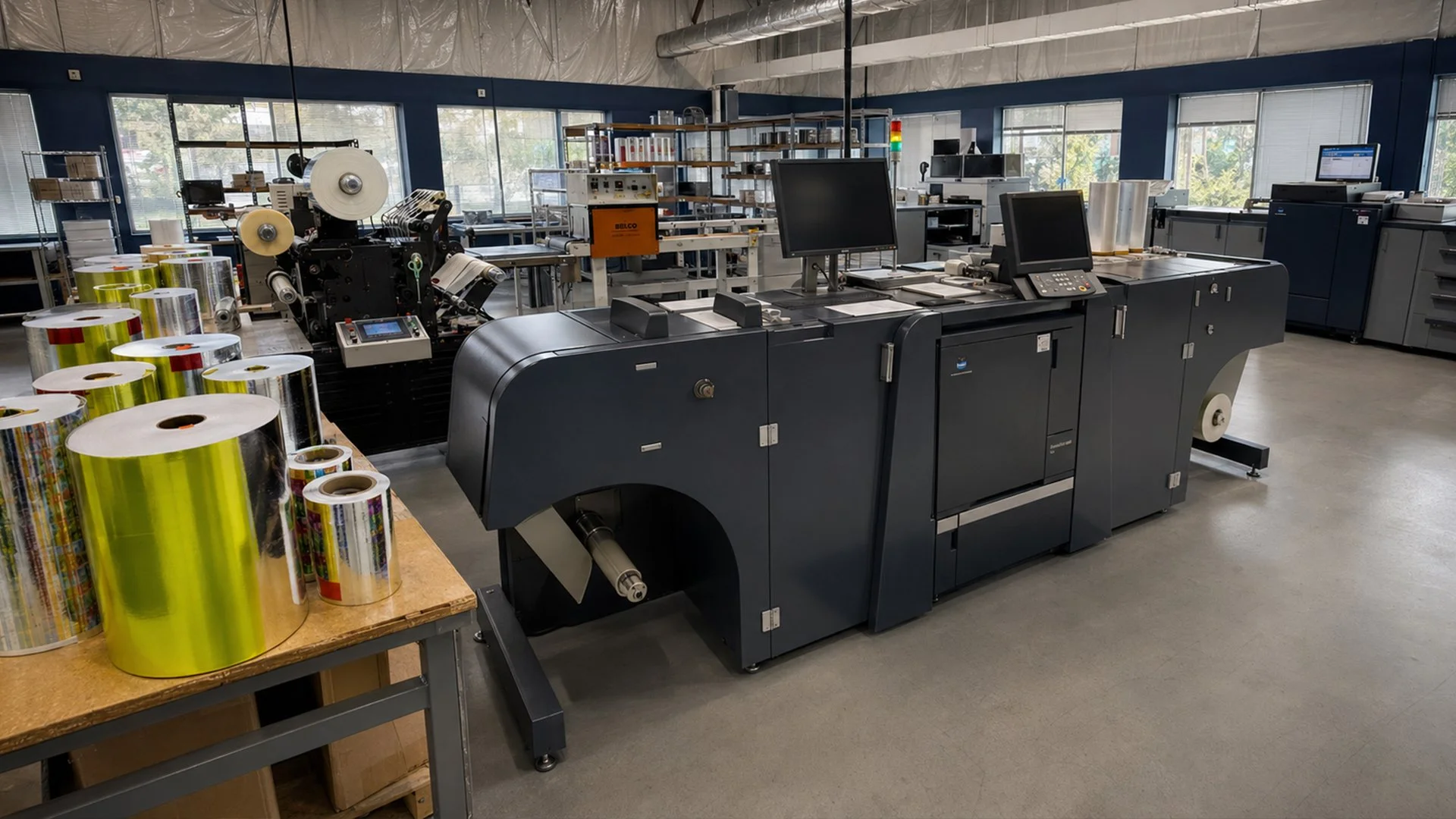
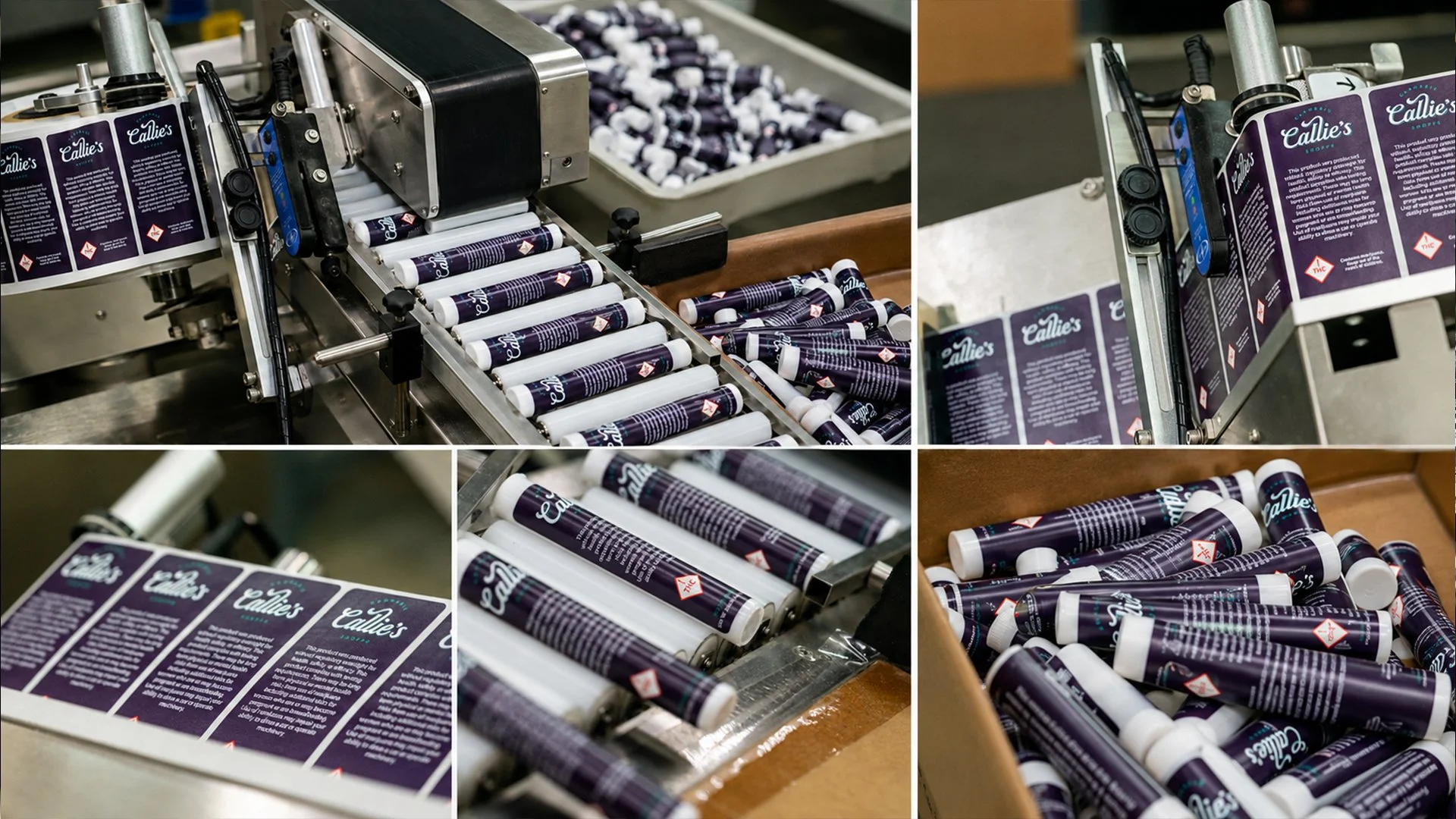
We developed an in-house printing and converting operation capable of producing custom mylar packaging, labels, displays, prototypes, and short-run production. Our equipment and capabilities expanded to include digital printing, large-format printing, label production, lamination, slitting, pouch converting, application, assembly, and finishing.
This allowed us to support brands with everything from small product launches and market tests to larger production programs. It also gave our creative team direct access to the manufacturing process. We could prototype ideas, test materials, identify production problems, and refine packaging before committing to full-scale manufacturing.
That connection between creativity and production became one of our greatest strengths. We understood that a design had to do more than look great on a computer screen. It had to print correctly, convert properly, meet regulations, survive shipping, work on a filling line, stand out in a dispensary, and remain consistent across dozens of products and SKUs.
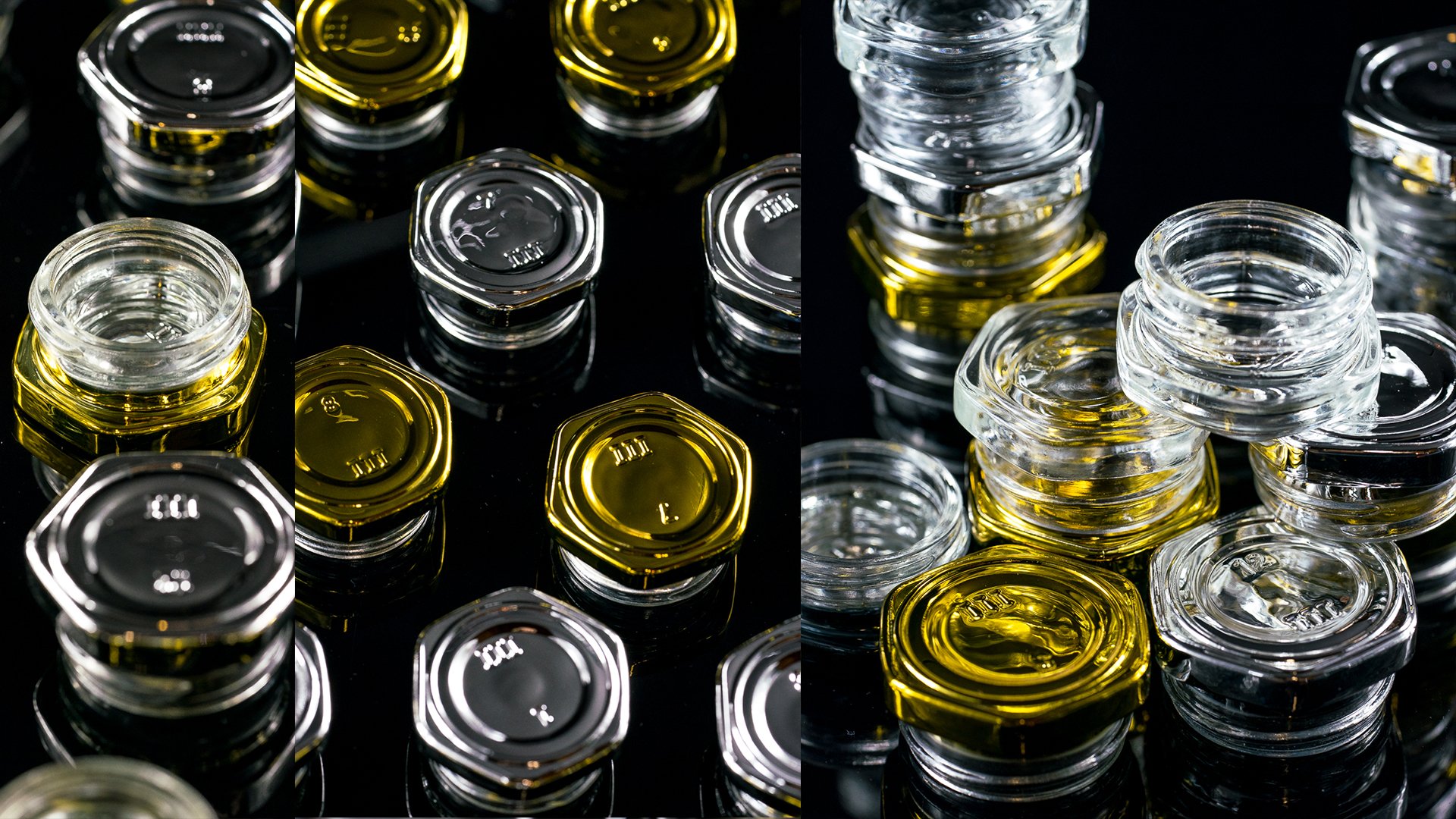
Over the years, we created and produced custom mylar bags, pressure-sensitive labels, child-resistant boxes, folding cartons, jars, tins, retail displays, apparel, catalogs, sales decks, influencer kits, trade-show materials, environmental graphics, and complete product-launch systems.
Developing a Global Manufacturing Network
Long before overseas sourcing became as accessible and standardized as it is today, I was building direct communication pipelines with factories and vendors around the world.
Those relationships allowed us to create highly customized packaging and products that were not readily available domestically. I learned how to translate a creative idea into technical specifications a factory could manufacture, managing dielines, materials, print methods, finishes, prototypes, tooling, pricing, production timelines, quality control, freight, and delivery.
We coordinated domestic and overseas manufacturing to give clients the right solution based on quantity, budget, timing, and complexity. Overseas factories allowed us to develop completely custom structures and achieve scale, while our domestic capabilities gave brands speed, flexibility, quality control, and lower minimums.
Our long-term vision was to continue expanding customized packaging production in the United States and gradually bring more manufacturing capabilities back domestically. We wanted to combine the customization and scale of global sourcing with the speed, control, and accessibility of American production.
The equipment, workflows, and production facility we built were major steps toward making that vision real.
Creating the Systems Behind the Work
Growing Full Scale required more than creative talent and machinery. It required building an organization that could consistently move complex projects from concept to completion.
I helped create departments, assemble creative and production teams, establish responsibilities, and build the communication systems that connected clients, designers, salespeople, production staff, vendors, and factories.
We developed project pipelines, standard operating procedures, proofing systems, production workflows, pricing structures, sales tools, client presentations, quality-control processes, and internal methods for managing large numbers of projects and SKUs without sacrificing consistency.
I led creative direction while also working across packaging engineering, prepress, production management, overseas manufacturing, vendor coordination, sales strategy, marketing, and operations. My role was often to bridge departments, making sure the creative vision could be manufactured, the production team had accurate information, the client understood the process, and the final product delivered on what had been promised.
Building Complete Brand Ecosystems
Some of our most successful relationships began with clients who had virtually nothing established.
We could develop the identity, define the visual language, engineer the packaging, create a scalable system for future products, coordinate production, build retail materials, and provide the sales and marketing assets needed to launch.
For brands planning to expand into multiple markets or operate as a multi-state organization, we thought beyond the first package. We created systems designed to accommodate new states, changing regulations, additional product categories, future SKUs, and increased production volume.
The goal was never to create one beautiful object. It was to build an entire brand ecosystem capable of functioning as a real business.
That approach helped Full Scale become a staple within the cannabis industry. Clients trusted us because we understood both sides of the equation: how to make a brand stand out and how to make that brand function in the real world.
What I Built
Over 12 years, I helped build Full Scale from an idea into a creative and manufacturing operation with real infrastructure, specialized equipment, established production systems, international factory relationships, a diverse team, and a nationally recognized body of work.
I created brands, packaging systems, products, departments, workflows, vendor networks, production capabilities, and long-term client relationships. I helped companies move from rough ideas to physical products, and from individual products to complete, scalable businesses.
Ultimately, Full Scale grew into a company strong enough to be acquired. That chapter taught me that great design is only one part of building something successful. The strongest brands are supported by clear strategy, disciplined execution, reliable manufacturing, organized systems, and people who understand how every part connects.
Full Scale was not simply a design agency or packaging company. It was the result of more than a decade spent building the bridge between an idea and everything required to make that idea real.