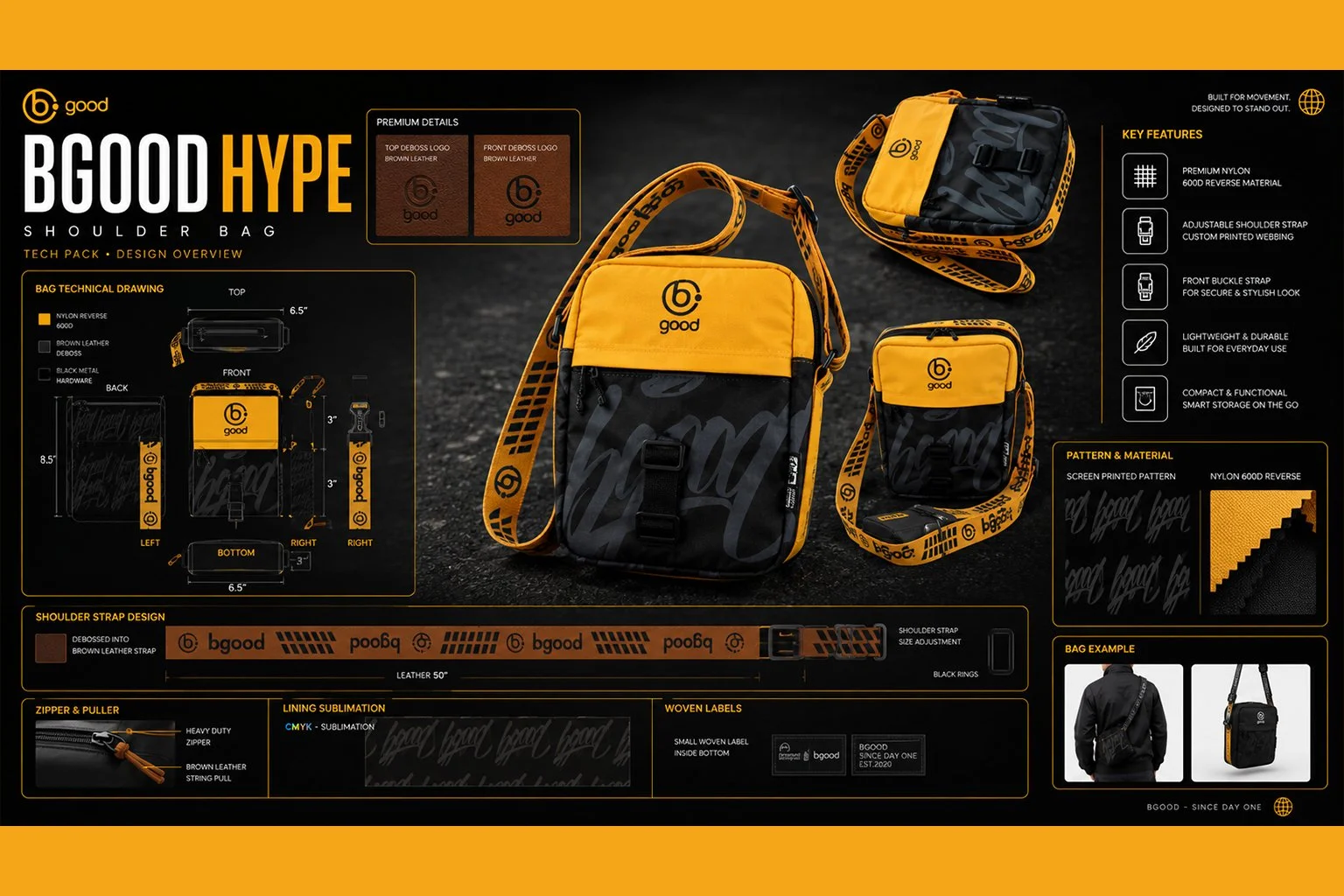
Building custom bags and cut-and-sew apparel starts long before production, it starts with technical planning, material understanding, and clear communication through detailed tech packs. A strong tech pack bridges the gap between creative direction and real-world manufacturing, ensuring every zipper placement, seam allowance, panel shape, material callout, and branding detail is production-ready before samples are ever made. From shoulder bags and crossbody packs to jackets, accessories, and fully custom apparel collections, the process involves designing not just for aesthetics, but for construction, durability, scalability, and manufacturing efficiency.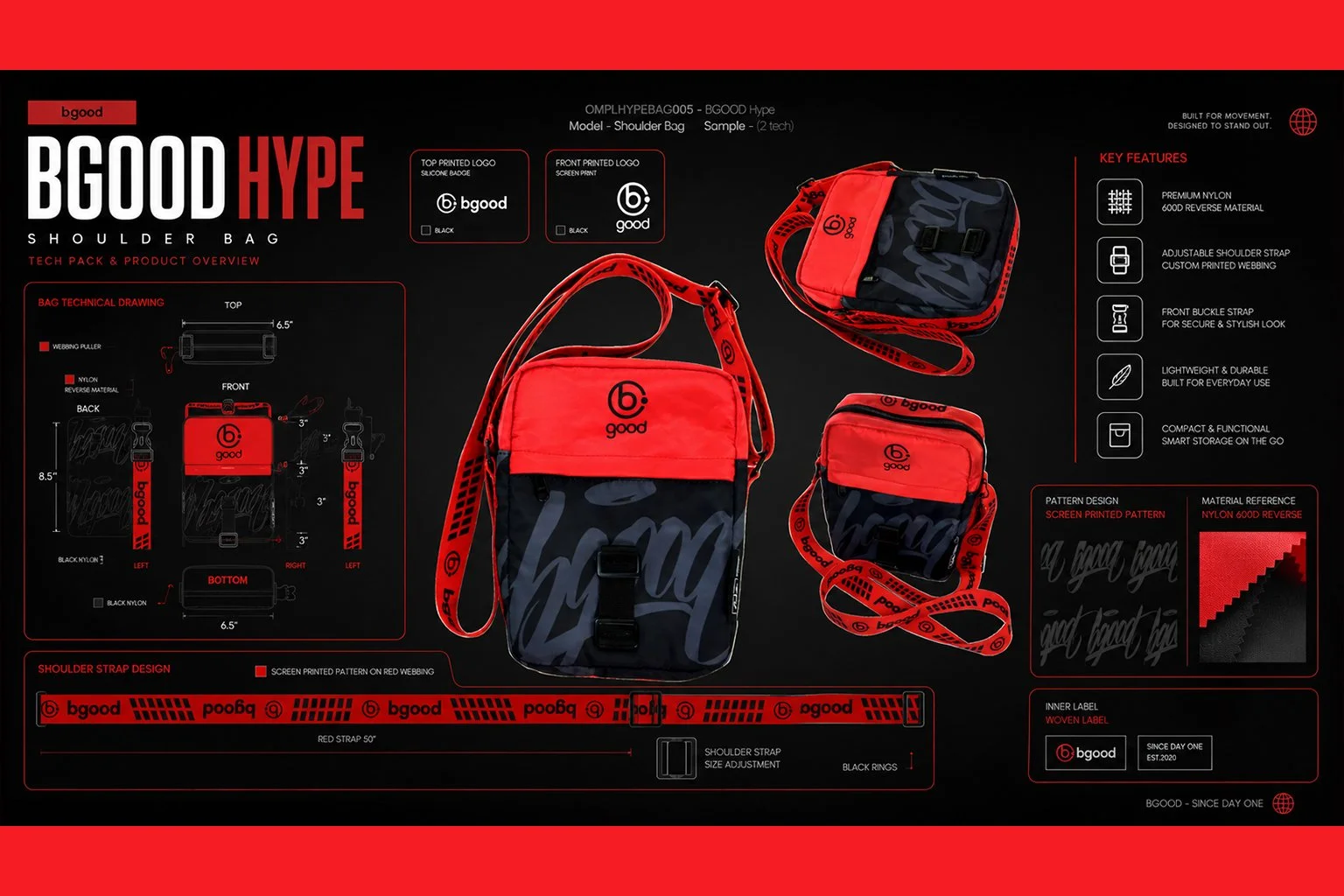
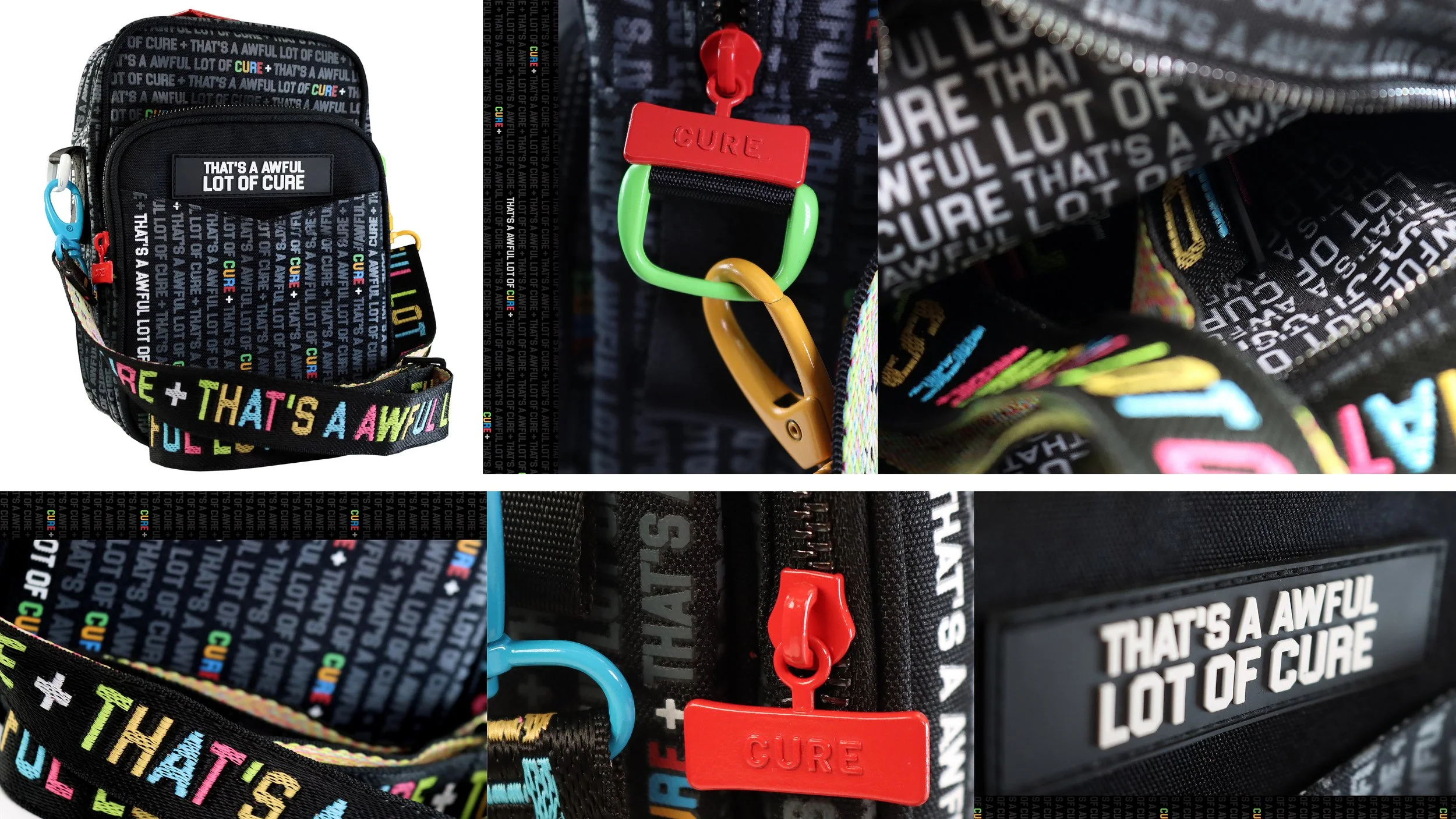
Creating these systems requires a deep understanding of textiles, embellishment methods, and production limitations across multiple factories and fabrication techniques. Materials can range from nylons, ripstop, canvas, leather, PU, reflective fabrics, and sublimated liners to fully custom jacquard woven straps and labels. Production methods often combine embroidery, screen printing, debossing, embossing, puff inks, silicone applications, woven labels, metal hardware, custom zipper pulls, and specialty finishes, all working together within one cohesive product build. Every detail must be documented clearly through dimensioned layouts, construction notes, stitching references, Pantone callouts, hardware specifications, and production annotations to ensure consistency from prototype to final production.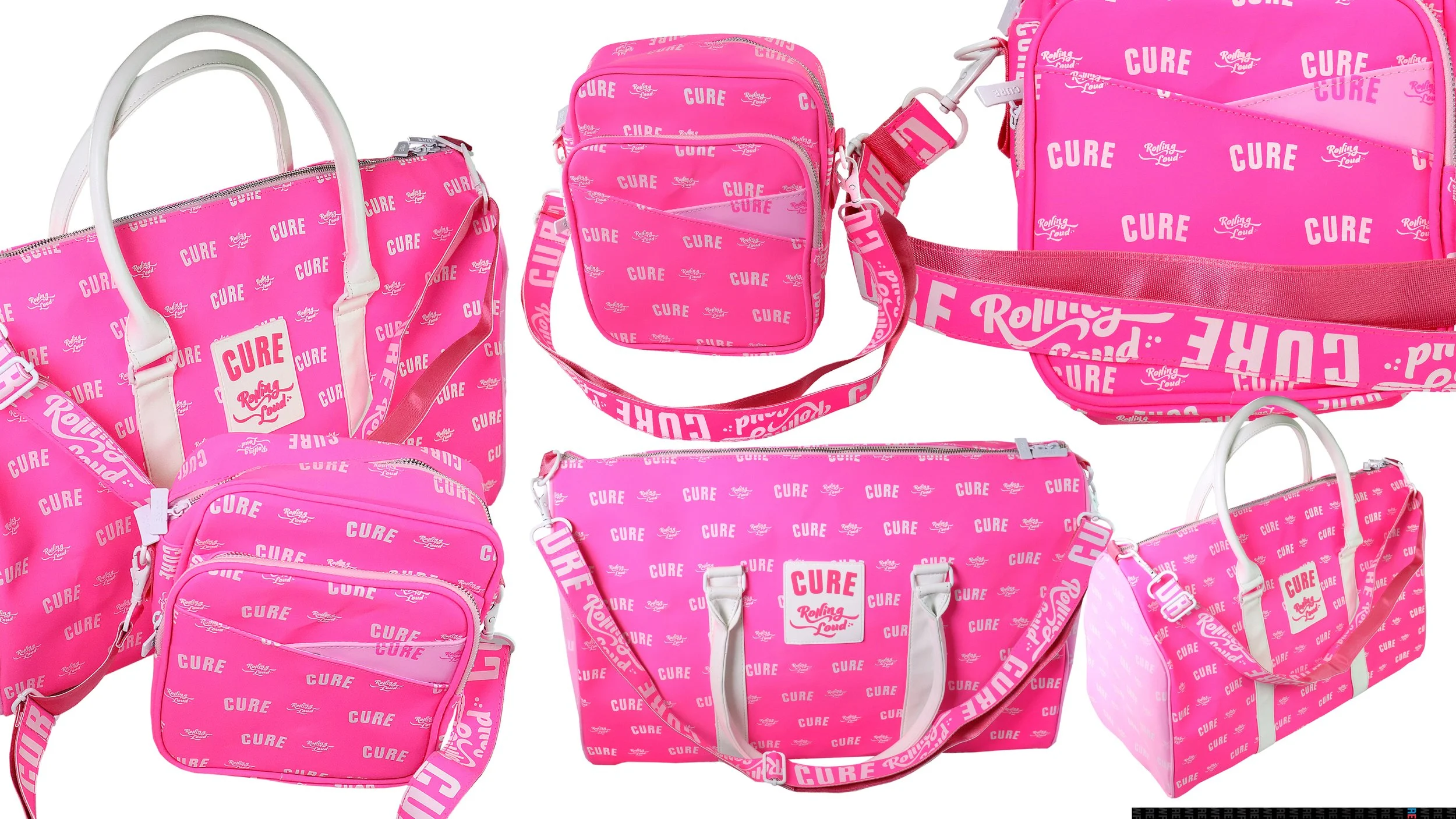
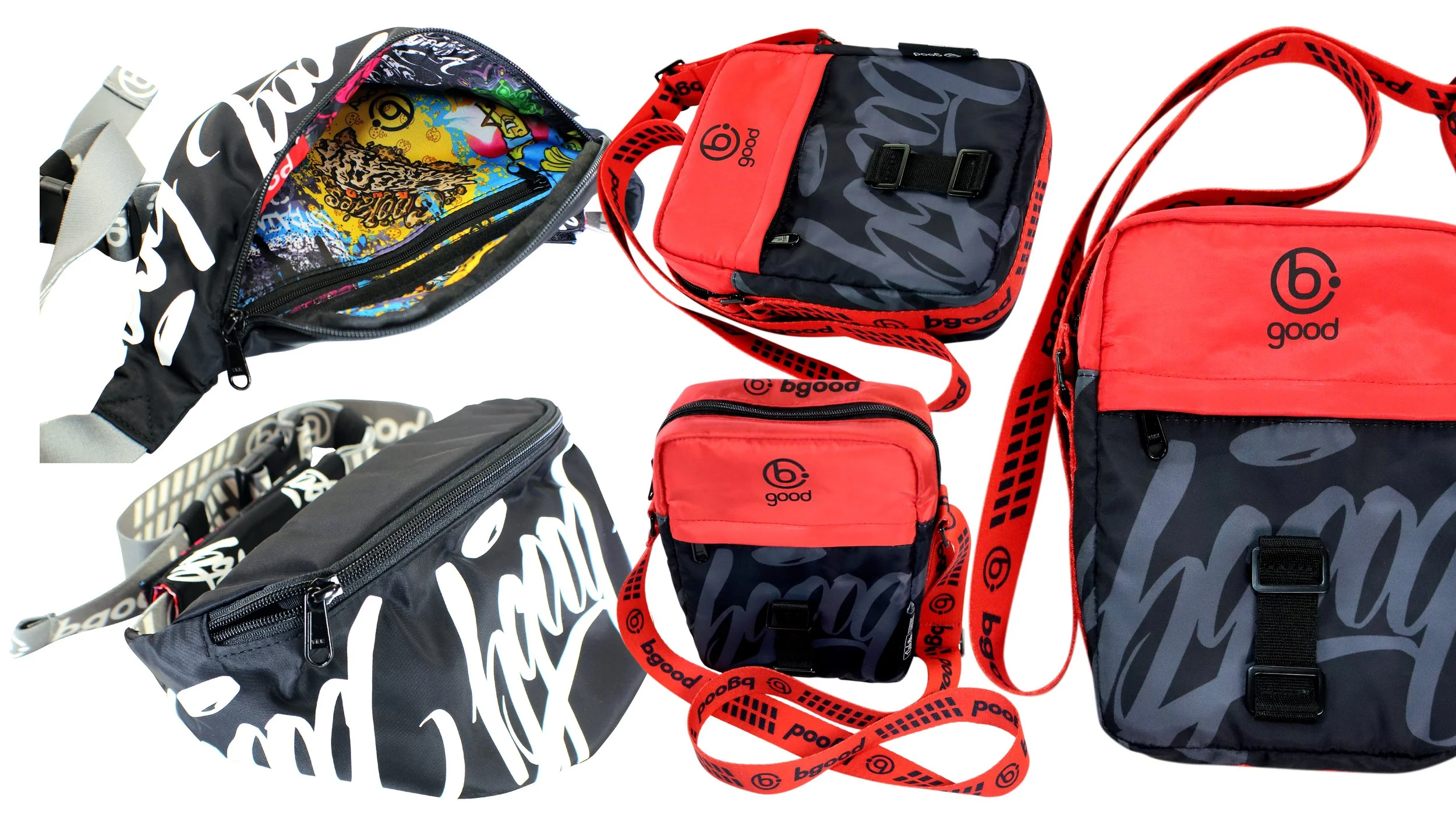
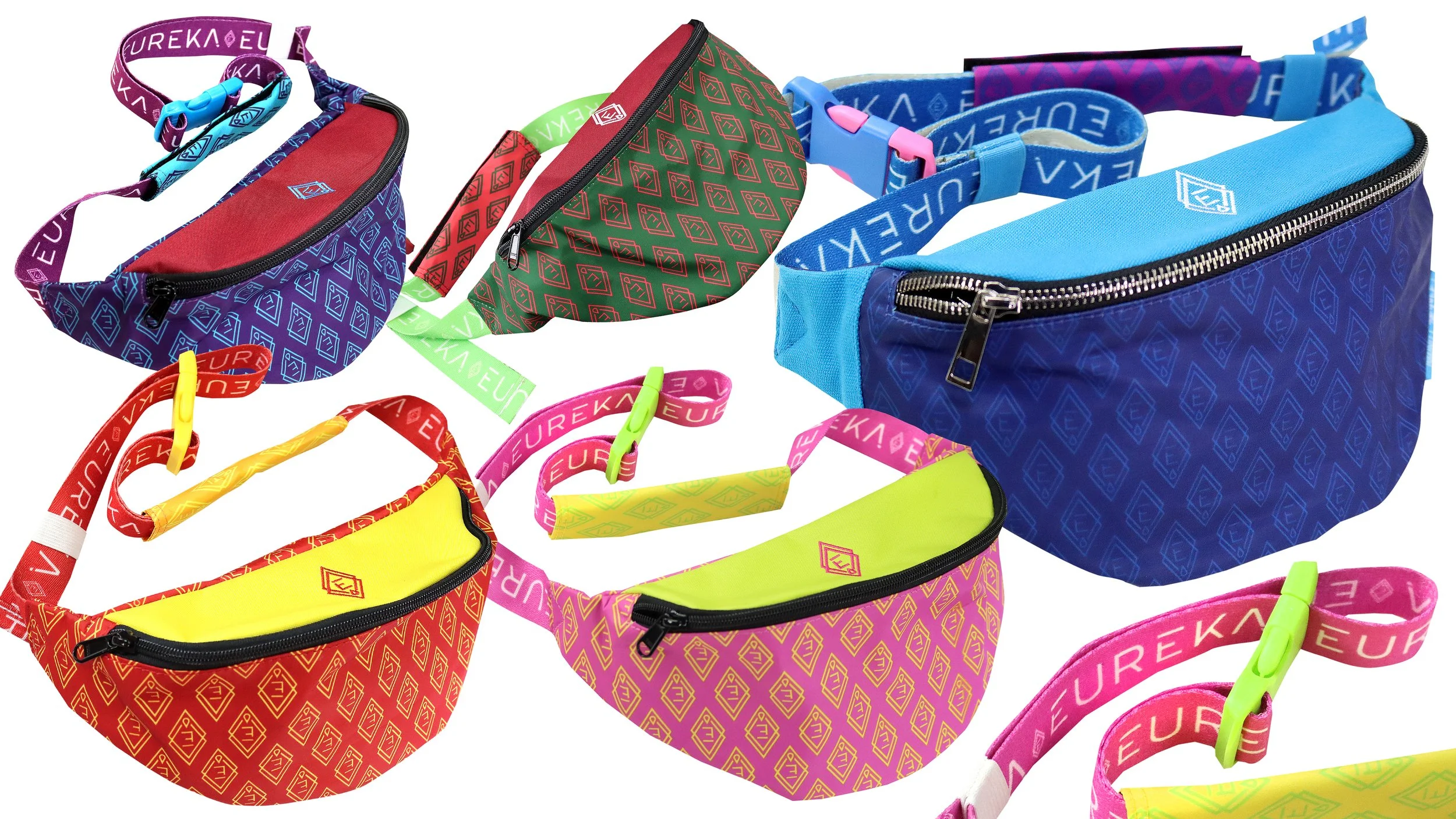
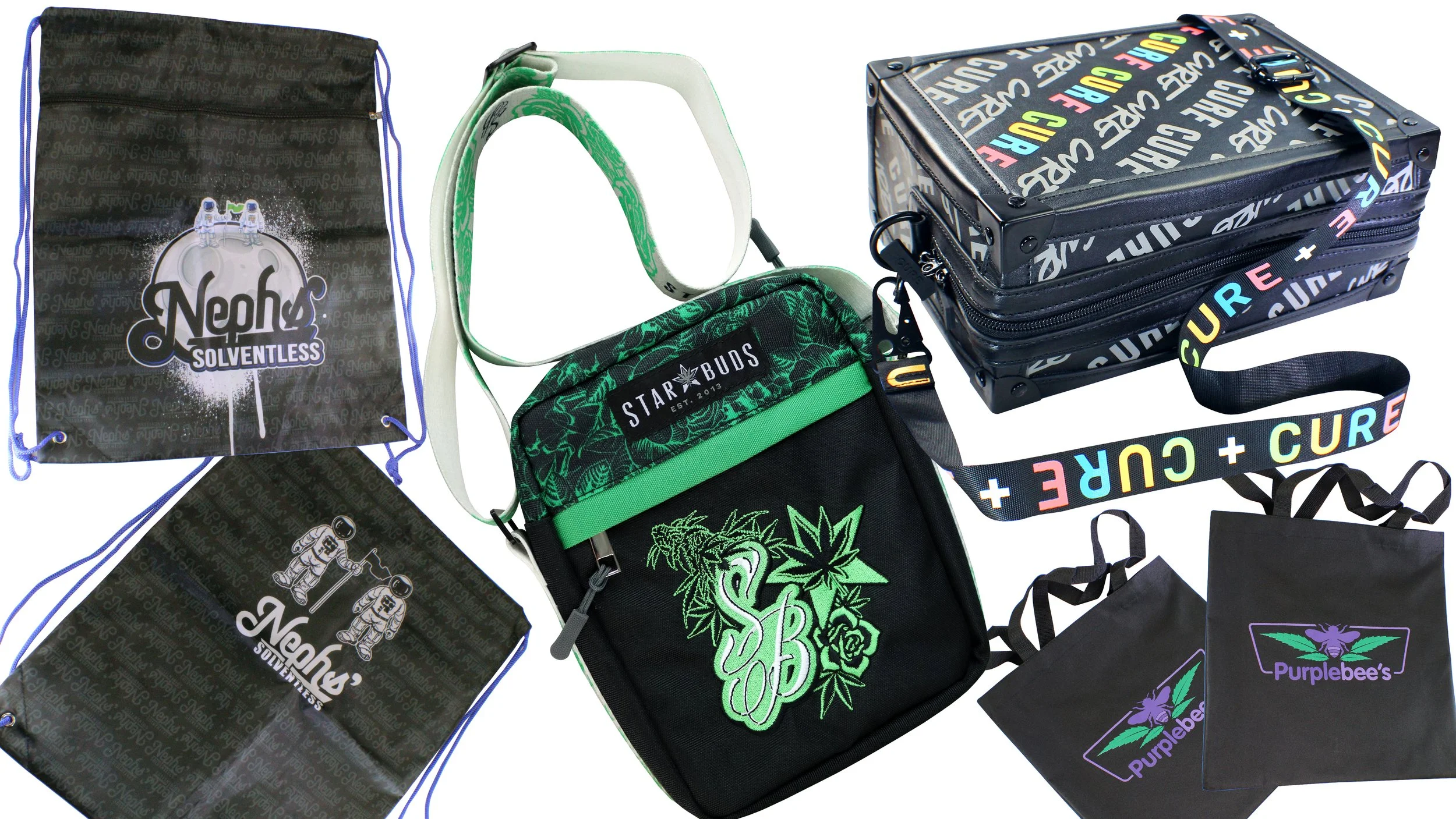
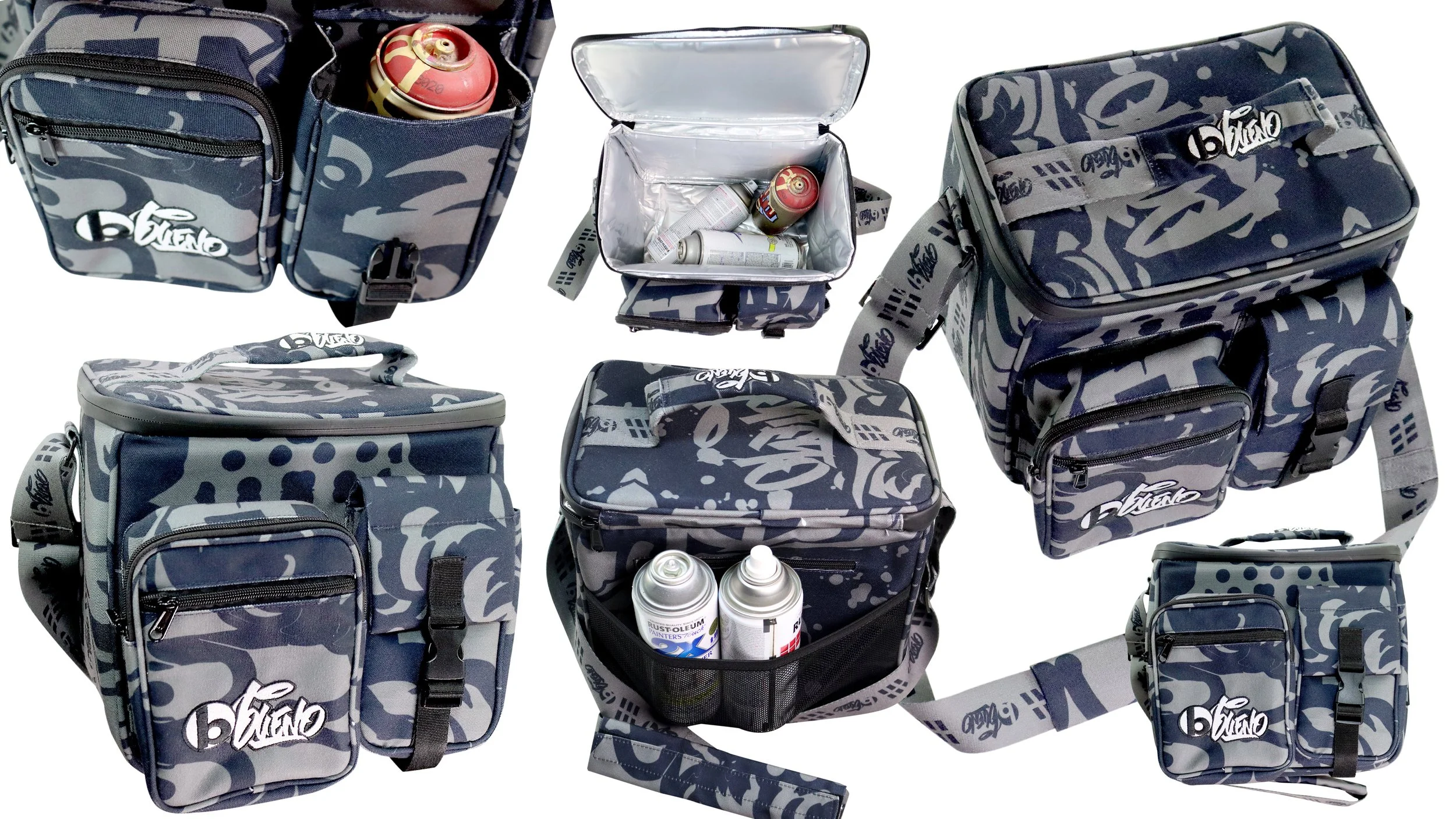
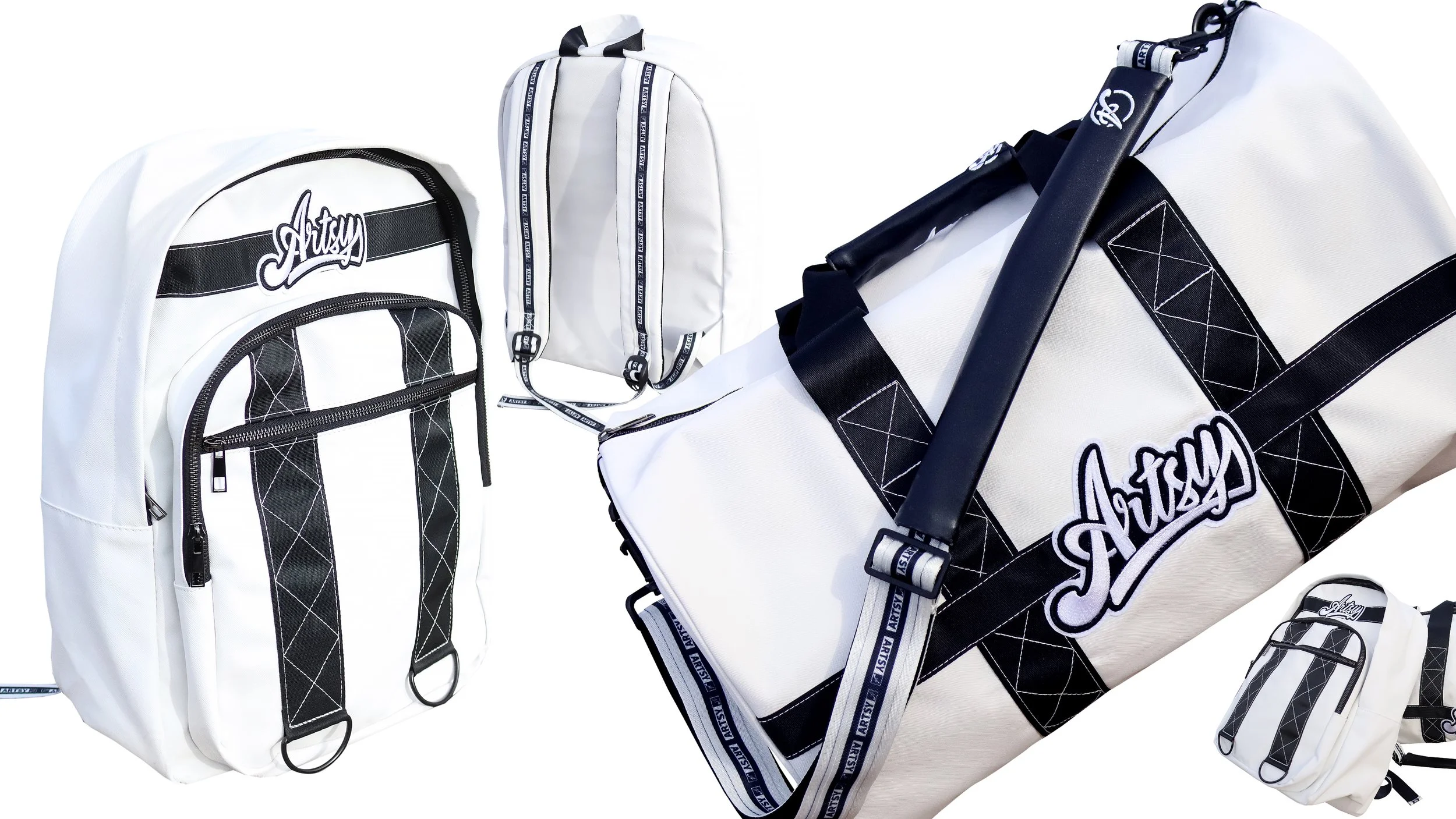
The goal of a well-built tech pack is not only to make the product look good, but to create a manufacturing roadmap that allows factories to execute accurately, efficiently, and repeatedly at scale. Great product development lives at the intersection of creative vision, technical design, and manufacturing communication — transforming ideas into physical products that are fully engineered for the real world.